
Find articles
12 results for “kubernetes”

Google Cloud Dedicated expands ISV ecosystem for European sovereign workloads
Google Cloud Dedicated now validates 13 ISVs including Cohesity, GitLab, and MongoDB on S3NS in France and a new German partner operated by Thales, enabling regulated enterprises to run standard enterprise software inside sovereign boundaries.

Why Kubernetes Network Policies Alone Can't Fix Insecure Protocols
ADB and WebRTC expose unencrypted traffic in multi-tenant clusters. Network policies block reachability but don't encrypt payloads or add authentication. You need protocol-aware controls.

Patch Node.js 22, 24, 26 in Azure DevOps pipelines after October 2026 security release
Node.js 22.23.4, 24.22.1, and 26.12.1 fix DNS, TLS, and Brotli flaws. Update build agents and runtime tasks now.
Gateway API v1.6 Graduates TCPRoute and UDPRoute to Standard
Gateway API v1.6 promotes TCPRoute and UDPRoute to v1 stability for layer 4 routing, while moving experimental resources like XBackend into a separate API group with X-prefixed names.

GKE API timeouts traced to three bugs across PSC, Envoy, and Linux kernel
A multi-week outage blocking 800 developers across europe-west clusters was caused by packet reordering in Private Service Connect, Envoy half-close behavior, and a Linux kernel bug that silently dropped FIN packets in FIN_WAIT_2 state.
Scale GKE Networking for High-Density AI Agent Workloads with Dataplane V2
GKE Dataplane V2 now handles millions of concurrent AI agent sandboxes by separating identity labels from metadata annotations and filtering high-cardinality labels, enabling sub-second provisioning at 300 sandboxes per second.

GKE ClusterNetworkPolicy introduces tiered enforcement for cluster-wide network security
ClusterNetworkPolicy adds admin, network policy, and baseline tiers to GKE, enabling centralized security guardrails without overriding developer namespace policies.
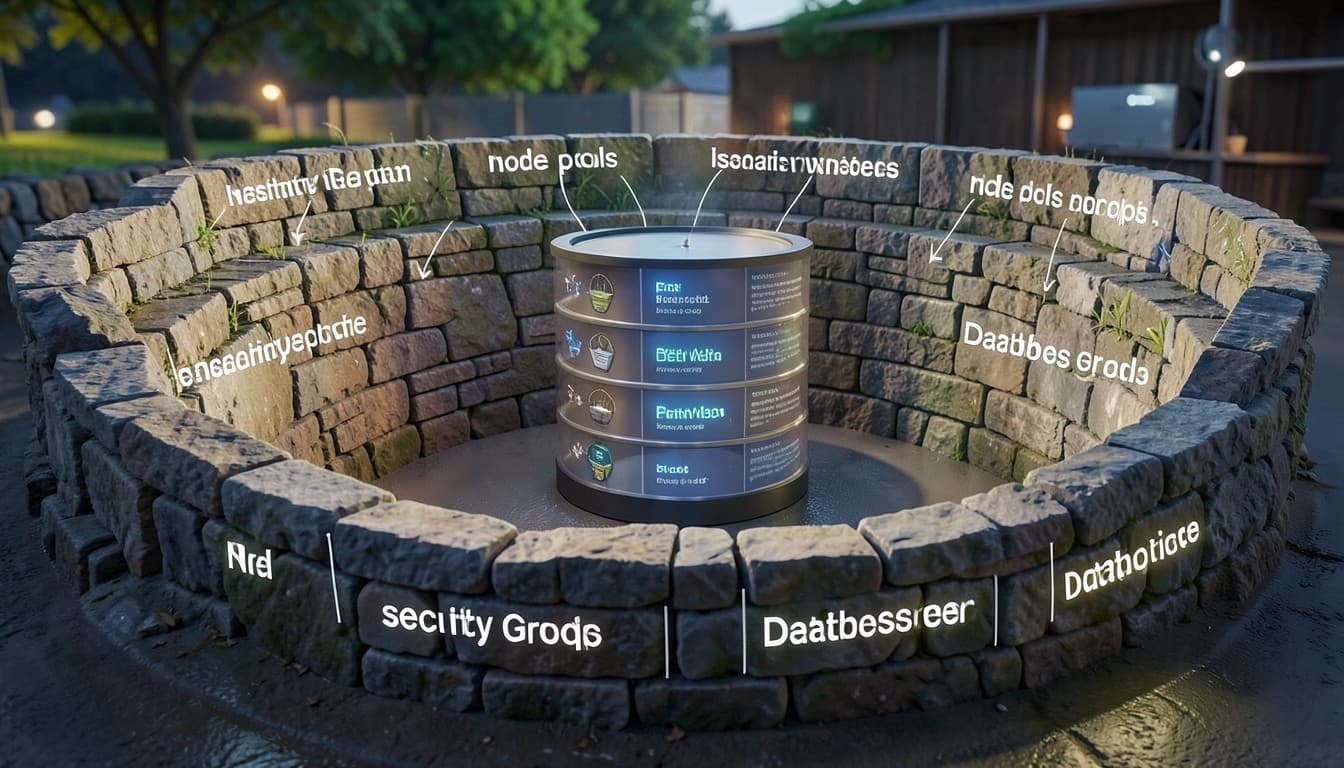
ReadyOn’s Four Walls Model for Tenant Isolation on Amazon EKS
ReadyOn uses four independent layers—Kubernetes namespaces, Karpenter node pools, VPC security groups, and per-tenant Aurora databases—to isolate tenant workloads on EKS for zero-trust security.

Fix pod distribution drift in Amazon EKS using the Kubernetes descheduler
Learn how topology spread constraints drift after node disruptions and how the Kubernetes descheduler restores even pod distribution across Availability Zones in Amazon EKS without downtime.