
Find articles
17 results for “compliance”

AWS IAM Identity Center adds cross-Region trusted identity propagation
Trusted identity propagation now carries user identity across AWS Regions, removing the single-Region constraint for fine-grained access control and auditing.

The CISO's New Mandate: Governing Autonomous Agents Without Slowing Innovation
As AI agents gain autonomy, CISOs must shift from perimeter defense to identity-centric governance and AI-powered threat detection to secure the agentic enterprise.

September 2023 Patches Released for Azure DevOps Server Self-Hosted Instances
Microsoft has issued cumulative updates for Azure DevOps Server 2022 and 2020 to address security and reliability issues. Administrators should apply these patches to maintain supported, secure self-hosted deployments.
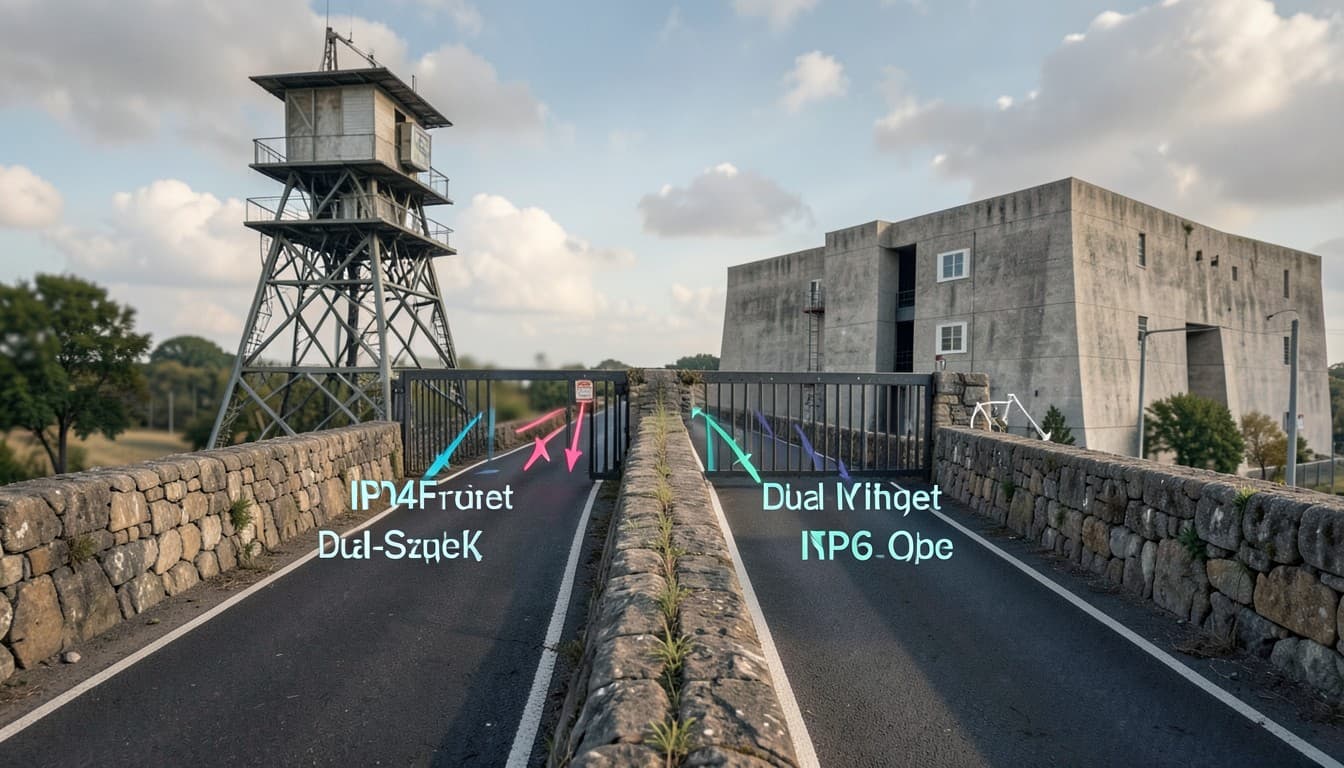
CloudFront VPC Origins Go Dual-Stack: IPv6 Without Exposing Origins
AWS adds IPv6 support to CloudFront VPC origins, enabling end-to-end IPv6 delivery to private ALBs, NLBs, and EC2 instances without compromising security.

Configure OAuth for AWS Lambda Kafka Event Source Mappings
AWS Lambda now supports OAuth authentication for self-managed Apache Kafka event source mappings, enabling secure integration with enterprise identity providers like Amazon Cognito or Okta.

AI-powered BEC scams use deepfake execs and fake invoices to steal ACH payments
Microsoft details a new AI-assisted business email compromise campaign that impersonates executives and forges invoices to trick finance teams into sending fraudulent ACH payments.

GKE ClusterNetworkPolicy introduces tiered enforcement for cluster-wide network security
ClusterNetworkPolicy adds admin, network policy, and baseline tiers to GKE, enabling centralized security guardrails without overriding developer namespace policies.

Spanner Omni GA: Deploy Google-grade distributed SQL anywhere
Spanner Omni is now generally available, offering the same multi-model capabilities as managed Spanner for self-managed deployment on-premises, in other clouds, or locally.
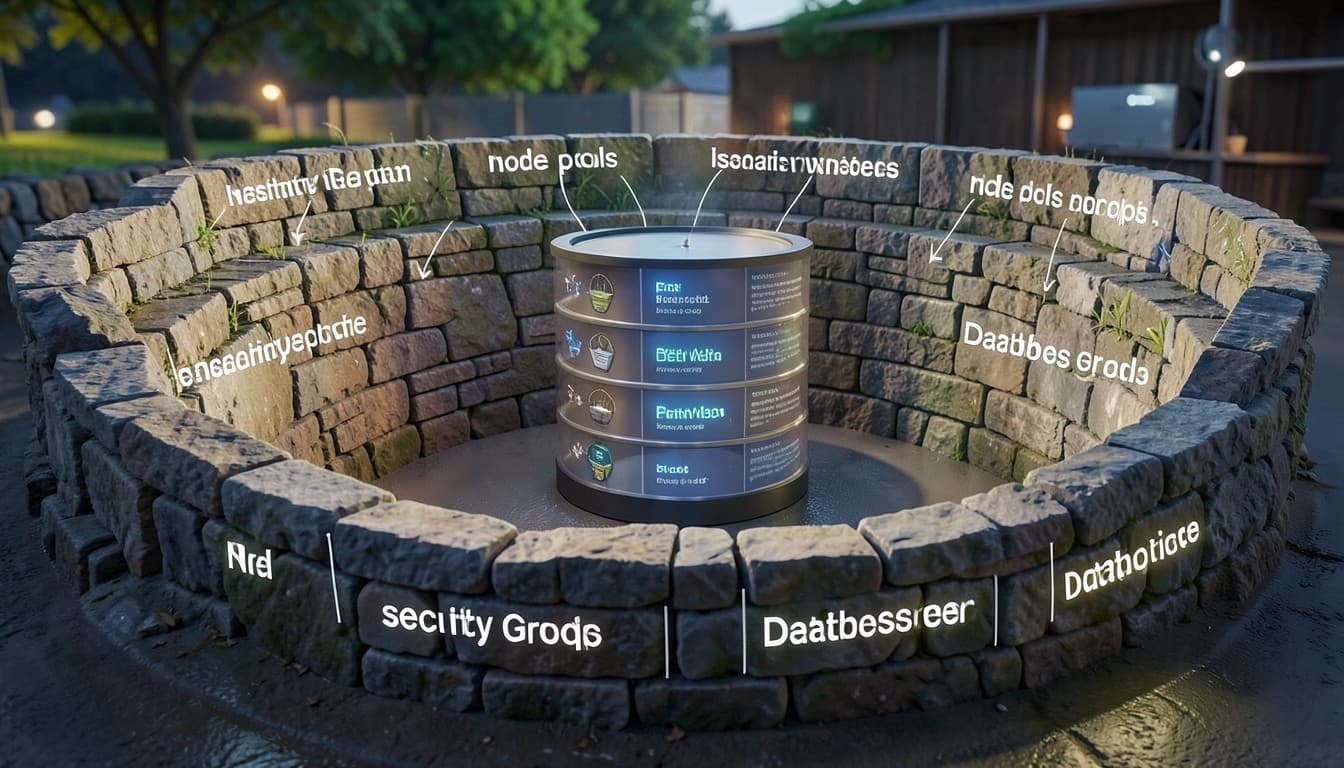
ReadyOn’s Four Walls Model for Tenant Isolation on Amazon EKS
ReadyOn uses four independent layers—Kubernetes namespaces, Karpenter node pools, VPC security groups, and per-tenant Aurora databases—to isolate tenant workloads on EKS for zero-trust security.